
Complete Guide to Sofa Cleaning Services in Nairobi
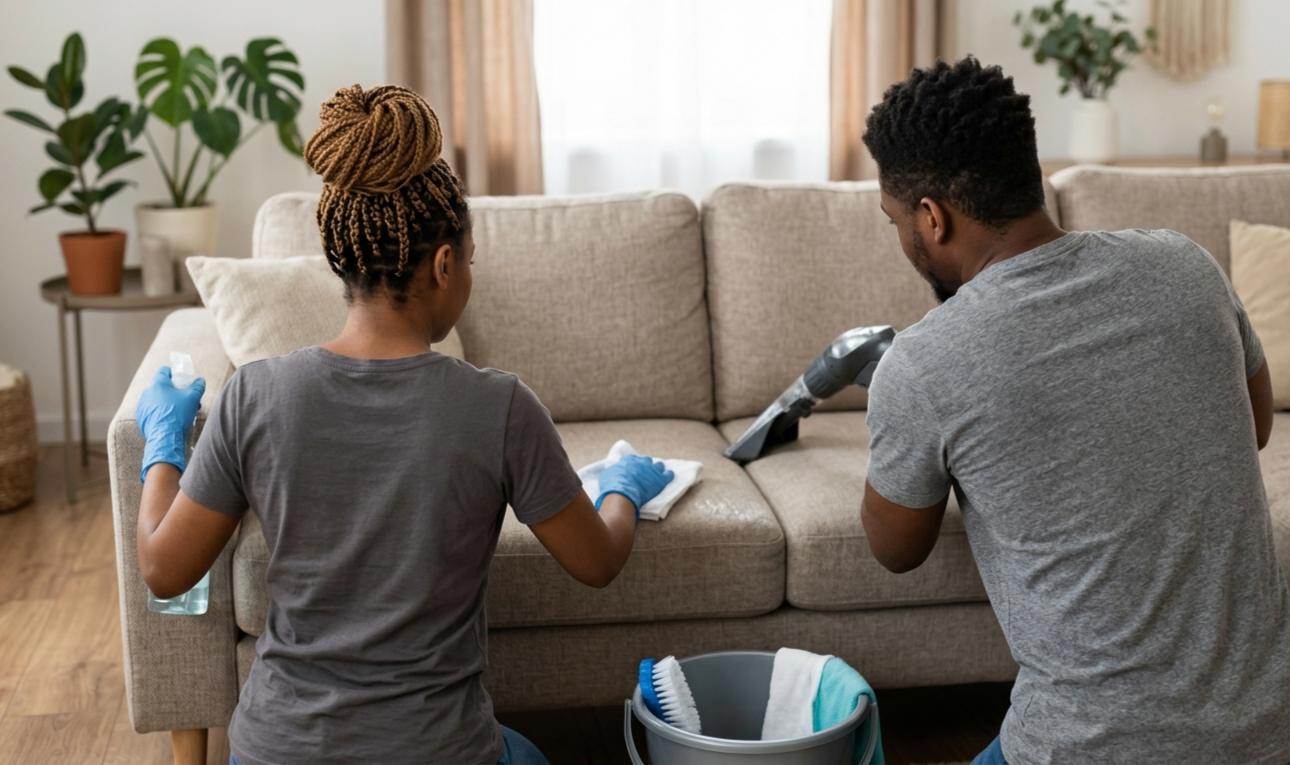
Your sofa set is one of the most frequently used pieces of furniture in any home or commercial space. Whether it’s for relaxing after a long day, hosting guests, or even working from the couch, sofas quietly absorb a huge amount of daily wear and tear.
What may look clean on the surface often hides deep-seated grime that regular home cleaning cannot fully remove. Professional sofa set cleaning services in Nairobi are especially valuable for different environments, including homes, apartments, offices, hotels, and Airbnb units.
Sofa Set Cleaning Services in Nairobi
A complete sofa cleaning service typically includes:
- Deep fabric cleaning – removes embedded dust, dirt, and debris from within the upholstery layers
- Stain removal – targets tough stains such as food spills, drink marks, ink, and oil spots
- Odor treatment – eliminates unpleasant smells caused by sweat, pets, moisture, or spills
- Sanitization – kills bacteria, germs, and dust mites that accumulate over time
Professional cleaners are trained to handle different types of furniture, including:
- Fabric sofas
- Leather sofas
- Recliners
- Sectional sofas
- Office couches
Each material requires a different cleaning approach to ensure effective results without causing damage, discoloration, or shrinkage.
Signs Your Sofa Needs Professional Cleaning
Over time, dirt and contaminants build up gradually, and the signs become more noticeable as the condition worsens. Recognizing these early can help you maintain hygiene and extend the life of your furniture.
Here are the most common indicators that it’s time for professional sofa cleaning:
- Visible stains – Food, drink spills, ink marks, or oil stains that don’t come off with basic cleaning
- Unpleasant smells – Lingering odors from sweat, pets, smoke, or spilled liquids
- Discoloration – Fabric looking uneven, faded, or darker in high-use areas
- Dust buildup – Noticeable dust on surfaces or when cushions are pressed or shaken
- Frequent allergies – Sneezing, coughing, or irritation caused by hidden dust mites and allergens
- Itchy skin or discomfort – Skin reactions after sitting on the sofa for long periods
- Pet odors and fur accumulation – Persistent animal smells or embedded pet hair in fabric fibers
- Dull and tired appearance – The sofa looks worn out even after regular cleaning
When these signs start appearing, it usually means dirt has already penetrated deep into the upholstery, making professional cleaning the most effective solution.
Common Sofa Cleaning Challenges in Nairobi Homes
Sofa maintenance in Nairobi comes with its own unique set of challenges due to the city’s environment, lifestyle, and housing conditions. These factors often cause sofas to get dirty faster and require more frequent deep cleaning.
Dust During the Dry Season
Nairobi experiences extended dry periods where fine dust easily accumulates indoors. Sofas trap this dust in fabric fibers, making them look dull and feel rough over time.
Muddy Stains During the Rainy Season
Rainy months bring mud and moisture into homes, especially from shoes, clothes, and pets. These stains can quickly seep into upholstery and become difficult to remove without professional help.
Pet Fur and Dander
Many households in Nairobi keep pets, which leads to constant accumulation of fur, dander, and occasional accidents. These not only affect cleanliness but also contribute to odors and allergies.
Children-Related Stains
Families with young children frequently deal with spills from juice, snacks, crayons, and other messes. These stains can be stubborn and require deep extraction methods.
Types of Sofas & Cleaning Methods
Not all sofas are the same, and neither are the cleaning methods used on them. Different upholstery materials react differently to moisture, detergents, and heat, which is why professional cleaners first identify the fabric type before starting the cleaning process.
Fabric Sofas
Fabric sofas are the most common in Nairobi homes and offices. They absorb dust, spills, and odors easily.
- Require deep extraction or steam cleaning
- Good at holding dirt, so frequent deep cleaning is needed
Suede Sofas
Suede has a soft, delicate texture that is highly sensitive to water.
- Require low-moisture or dry cleaning techniques
- Special brushes are used to restore texture after cleaning
Velvet Sofas
Velvet is luxurious but delicate and can lose its texture if handled incorrectly.
- Requires gentle foam or dry cleaning methods
- Cleaning is done carefully to avoid crushing the fabric pile
Leather Sofas
Leather does not absorb liquid like fabric but can crack or fade if improperly cleaned.
- Require specialized leather-safe cleaners and conditioners
- Focus is on cleaning, moisturizing, and protecting the surface
Microfiber Sofas
Microfiber is durable but tends to attract oil and dust.
- Cleaned using controlled water-based or foam methods
- Stain removal is often highly effective on this material
Recliners
Recliners combine upholstery with mechanical parts, making them more complex to clean.
- Require careful cleaning around joints and moving parts
- Deep cleaning ensures hygiene without damaging mechanisms
Because each material behaves differently, professional upholstery cleaning ensures the right balance of cleaning power and fabric safety. This is why expert sofa set cleaning Nairobi services are preferred over DIY methods.
Sofa Cleaning Methods Explained
Professional couch cleaning services use different techniques depending on the sofa material, level of dirt, and type of stains. Each method has its own advantages, drying time, and ideal use cases.
Steam Cleaning
Steam cleaning uses hot vapor to break down dirt, kill bacteria, and lift stains from deep within the fabric.
- Advantages: Highly effective, sanitizes deeply, removes odors and allergens
- Drying time: Moderate (usually 4–8 hours depending on fabric)
- Best for: Fabric sofas, heavily soiled furniture, allergen removal
Shampoo Cleaning
This method uses specialized upholstery shampoo applied and agitated into the fabric before extraction.
- Advantages: Good for stain removal and surface rejuvenation
- Drying time: Moderate to long
- Best for: Fabric sofas with visible stains and general dirt buildup
Foam Cleaning
Foam cleaning uses minimal moisture, making it safer for delicate fabrics.
- Advantages: Low water usage, reduces risk of fabric damage
- Drying time: Fast
- Best for: Velvet, suede, and sensitive upholstery
Vacuum Cleaning
High-powered vacuuming is used to remove loose dust, debris, and pet hair before deeper cleaning begins.
- Advantages: Prevents dirt from embedding deeper, improves overall cleaning results
- Drying time: Immediate (dry method)
- Best for: Routine maintenance and pre-cleaning preparation
Stain Treatment
This involves targeted application of cleaning agents directly on tough stains like ink, wine, oil, or food spills.
- Advantages: Focused removal of stubborn stains without affecting the entire sofa
- Drying time: Varies depending on treatment area
- Best for: Spot-specific cleaning needs
Deodorizing
Deodorizing treatments neutralize and eliminate bad odors trapped in upholstery fibers.
- Advantages: Freshens furniture, removes pet and smoke smells
- Drying time: Quick
- Best for: Sofas with odor issues from pets, food, or sweat
Sanitization
This process kills bacteria, germs, and dust mites using safe disinfecting solutions or steam.
- Advantages: Improves hygiene and indoor air quality
- Drying time: Varies depending on method used
- Best for: Homes, offices, hotels, and high-traffic areas
Common Sofa Stains & How Professionals Remove Them
Sofas are exposed to many types of stains in everyday life. While DIY cleaning might seem like a quick fix, improper handling can often make stains worse or permanently damage the fabric. Professional upholstery cleaning uses targeted techniques to safely remove different types of stains without harming the material.
Food Stains
Food spills like sauces, snacks, and oily meals are common in homes and offices.
- Professionals use enzyme-based cleaners to break down organic matter
- Gentle agitation and extraction remove residue without spreading the stain
Coffee Spills
Coffee contains strong pigments and oils that quickly seep into fabric.
- Immediate stain treatment followed by deep extraction
- Specialized cleaning agents help lift dark discoloration
Wine Stains
Red wine is one of the most difficult stains due to its strong pigments.
- Treated with oxidizing solutions and controlled extraction
- Multiple cleaning passes may be required for full removal
Ink Stains
Ink penetrates deeply and spreads quickly if rubbed incorrectly.
- Professionals use solvent-based spot treatments
- Controlled blotting techniques prevent spreading
Pet Urine
Urine causes both staining and strong odor due to bacteria.
- Enzyme cleaners break down uric acid crystals
- Deodorizing and sanitization eliminate lingering smells
Sweat Marks
Common on frequently used areas like armrests and headrests.
- Mild detergents and steam extraction remove oils and salts
- Helps restore fabric color and texture
Grease Stains
Caused by body oils, hair products, or food oils.
- Solvent-based degreasers lift oil from fabric fibers
- Followed by deep extraction to remove residue
Why DIY Stain Removal Can Be Risky
Many people try to clean stains at home using soap, vinegar, or random detergents. While this may seem convenient, it can actually worsen the problem:
- Spreading the stain: Rubbing often pushes stains deeper into the fabric
- Fabric damage: Harsh chemicals can discolor or weaken upholstery fibers
- Water rings: Uneven drying can leave visible marks
- Odor trapping: Improper cleaning may lock in moisture, leading to bad smells
This is why professional couch cleaning services are preferred. Experts use the right products, controlled moisture levels, and specialized equipment to safely restore the sofa without causing damage.
How Often Should Sofas Be Professionally Cleaned?
The frequency of professional sofa cleaning depends on usage, environment, and lifestyle. Different spaces accumulate dirt and allergens at different rates, so cleaning schedules should be adjusted accordingly.
Homes with Children
Homes with kids experience frequent spills, food stains, and heavy sofa use.
- Recommended: Every 6 months
Children also increase exposure to allergens and bacteria, making regular cleaning essential for hygiene.
Pet Owners
Pets introduce fur, dander, and occasional accidents that can deeply affect upholstery.
- Recommended: Every 3–6 months
More frequent cleaning helps control odors, allergens, and embedded hair.
Airbnb Units and Short-Term Rentals
These spaces have high guest turnover and constant usage.
- Recommended: Every 3–4 months or after heavy bookings
Maintaining cleanliness improves guest satisfaction and ratings.
Offices
Office couches are used daily by staff and visitors but are less exposed to food spills compared to homes.
- Recommended: Every 6–12 months
Regular cleaning helps maintain a professional appearance and hygiene.
Hotels
Hotels require high standards of cleanliness due to guest expectations and branding.
- Recommended: Every 3–6 months
Frequent deep cleaning ensures hygiene and extends furniture lifespan.
High-Traffic Homes
Large families or frequently visited homes experience faster dirt buildup.
- Recommended: Every 6 months
This helps maintain freshness and prevents long-term fabric damage.
Sofa Set Cleaning Prices in Nairobi
While prices vary by provider and condition, general market estimates are:
- 2-seater sofa: From KSh 2,500 – 3,000
- 3-seater sofa: From KSh 3,500 – 4,000
- L-shaped sectional sofa: From KSh 4,500 – 5,000+
- Armchairs / recliners: From KSh 1,000 – 1,500 per seat
Factors That Affect Pricing
Sofa Size
Larger sofas require more time, cleaning solution, and effort.
- 2-seater sofas cost less
- Sectional or L-shaped sofas cost more due to size and complexity
Fabric Type
Different materials require different cleaning methods.
- Fabric sofas are generally standard pricing
- Delicate materials like suede, velvet, or leather may cost more due to specialized care
Stain Severity
Heavily stained sofas require additional treatments.
- Light cleaning = lower cost
- Deep stain removal (oil, ink, urine) = higher cost
Cleaning Method Used
The technique used affects pricing:
- Steam cleaning or shampoo extraction may be standard
- Special treatments like deodorizing, sanitization, or enzyme cleaning may add cost
Drying Requirements
Some sofas require extended drying support or low-moisture methods, which may influence pricing.
How Long Does Sofa Cleaning Take?
The time required for sofa cleaning depends on the sofa size, level of dirt, cleaning method used, and drying conditions. While the actual cleaning process is usually quite efficient, drying time is often the part that varies most.
Cleaning Duration
On average, professional sofa cleaning takes:
- Small sofas (2-seater): 30–60 minutes
- Medium sofas (3-seater): 45–90 minutes
- Large sectional sofas: 1.5–3 hours
Heavily stained or neglected sofas may take longer due to pre-treatment and multiple cleaning passes.
Drying Times
Drying is influenced by fabric type, cleaning method, and airflow.
- Steam cleaning: 4–8 hours on average
- Shampoo cleaning: 6–12 hours (may be longer due to higher moisture use)
- Low-moisture or foam methods: 2–6 hours
Weather Conditions
In Nairobi, weather plays a key role:
- Dry season: Faster drying due to low humidity
- Rainy season: Slower drying because of moisture in the air
Steam Cleaning Drying Periods
Steam cleaning uses heat and controlled moisture, so it:
- Cleans deeply but doesn’t overly saturate fabric
- Still requires proper airflow for full drying
- Typically dries faster than shampoo-based methods
Sofa Drying & Aftercare Tips
Proper aftercare is just as important as the cleaning process itself. It helps maintain freshness, extend fabric life, and prevent new stains or odors from forming quickly.
Ventilation Is Key
After cleaning:
- Keep windows open for airflow
- Use fans to circulate air around the sofa
- Avoid covering the sofa while it is still damp
Good ventilation prevents trapped moisture and unpleasant smells.
Avoid Immediate Use
Even if the sofa feels slightly dry:
- Avoid sitting on it immediately
- Allow full internal drying to prevent moisture compression inside cushions
- This helps maintain fabric shape and hygiene
Fabric Maintenance Practices
To keep your sofa in good condition after cleaning:
- Fluff cushions regularly to maintain shape
- Avoid dragging or rough handling
- Rotate cushions if possible to ensure even wear
Regular Vacuuming
Once the sofa is fully dry:
- Vacuum weekly or bi-weekly
- Helps remove surface dust before it settles deep into fabric
- Especially important in dusty environments like Nairobi
Stain Prevention Habits
To reduce future cleaning needs:
- Clean spills immediately before they set in
- Avoid eating messy foods on the sofa
- Use trays or covers when necessary
Sofa Protectors & Covers
Using protective layers can greatly extend cleanliness:
- Washable sofa covers
- Waterproof protectors for homes with kids or pets
- Armrest covers for high-use areas
These simple habits help maintain the results of professional upholstery cleaning Nairobi services and keep your furniture looking fresh for longer.
How to Choose the Best Sofa Cleaning Company in Nairobi
Evaluate the cleaning methods and equipment used. A professional company should use modern tools such as steam cleaners, hot water extraction machines, and industrial vacuums. They should also use safe, eco-friendly detergents that effectively remove dirt, bacteria, and allergens without damaging your sofa fabric.
It’s also important to consider reputation and customer reviews, as consistent positive feedback shows reliability and quality service. Always ensure there is pricing transparency, with clear quotations and no hidden charges for transport or stain removal. Additionally, good companies should offer proper customer support and clear communication throughout the process.
Finally, choose a provider that guarantees professional results, safety, and after-service support, including advice on maintenance or follow-up cleaning when needed. For dependable and high-quality sofa cleaning in Nairobi, you can consider Nairobi Cleaning Services, known for its trained staff, modern equipment, and thorough upholstery cleaning solutions that deliver fresh, hygienic, and long-lasting results.