
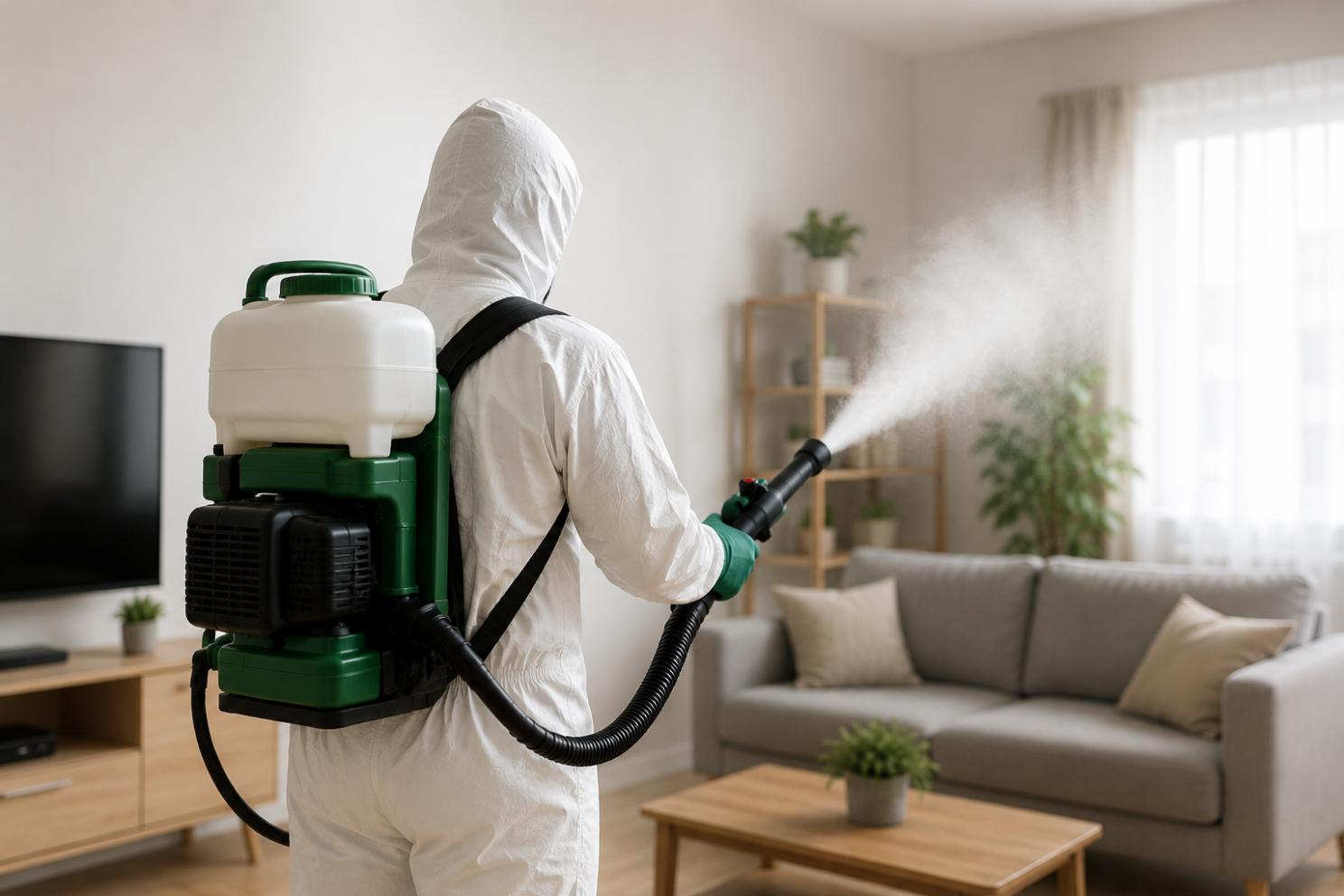
Complete Guide to Fumigation & Pest Control Services in Nairobi
In a fast-growing city like Nairobi, pest control is not just about comfort—it is about health, safety, and property protection. Common urban conditions such as high-density housing, informal waste disposal, warm climate, and frequent construction create ideal breeding environments for pests.
Key reasons pest control is essential:
- Prevents spread of diseases (especially from rodents and mosquitoes)
- Protects food storage areas in homes, restaurants, and hotels
- Prevents structural damage (especially from termites)
- Maintains hygiene standards in offices and commercial spaces
- Improves quality of life and comfort
Common pest problems in urban Nairobi settings
Urban Nairobi environments tend to experience recurring infestations due to climate and infrastructure challenges. The most common include:
- Cockroach infestations in kitchens and drainage systems
- Bed bugs in apartments, hostels, and hotels
- Rodents in residential estates and commercial buildings
- Termites damaging wooden structures and furniture
- Mosquito breeding in stagnant water areas
- Ant invasions in food storage spaces
What Causes Infestations in Nairobi
Pest infestations in Nairobi are rarely random—they are usually the result of environmental, structural, and behavioral factors that make homes and businesses ideal breeding grounds for pests.
Poor sanitation and waste disposal
Improper waste management is one of the leading causes of pest problems in Nairobi. Overflowing bins, uncollected garbage, and open dumping sites attract pests such as rodents, cockroaches, and flies.
Urban density and shared housing (apartments, flats)
High-density living in apartments, hostels, and shared compounds allows pests to spread quickly from one unit to another.
For example:
- Bed bugs can move through wall cracks and shared furniture
- Cockroaches spread through drainage systems
- Rodents move through ceilings, pipes, and shared corridors
This makes infestation control more complex in urban estates.
Food storage practices
Poor food handling and storage significantly contribute to infestations:
- Leaving uncovered food in kitchens
- Storing food in weak or damaged containers
- Crumbs and spills not cleaned promptly
- Improper storage in commercial kitchens and kiosks
These conditions attract ants, cockroaches, and rodents.
Structural cracks and poor building maintenance
Buildings with gaps, cracks, broken pipes, and unsealed doors provide entry points for pests. Common issues include:
- Cracked walls and floors
- Unsealed window frames
- Damaged drainage systems
- Open roof spaces or ceilings
Such weaknesses make it easy for pests to hide and multiply unnoticed.
Climate factors (rainy vs dry seasons)
Weather conditions in Nairobi strongly influence pest activity:
- Rainy seasons: Increased mosquito breeding due to stagnant water; termites also become more active
- Dry seasons: Rodents invade homes in search of water and cooler shelter
- Humidity changes: Encourage cockroach and mold-related pest growth
Second-hand furniture and mattresses
Buying or acquiring used furniture without proper treatment is a major cause of hidden infestations. Items such as mattresses, sofas, and wooden furniture may carry:
- Bed bugs
- Flea eggs
- Termite colonies
- Cockroach eggs (oothecae)
Without proper fumigation, these pests spread quickly into new environments.
When professional services are necessary vs DIY solutions
DIY pest control is suitable when:
- Early-stage infestations (few visible pests)
- Minor cockroach or ant problems
- Routine preventive cleaning and spraying
- Maintaining already pest-free environments
Professional pest control is necessary when:
- Infestation keeps recurring despite treatment
- Bed bugs or termites are widespread
- Rodent sightings inside homes or offices
- Large commercial spaces (restaurants, warehouses, hotels)
- Health risks or structural damage are present
Professional services use stronger, regulated chemicals, proper equipment, and targeted strategies that ensure full elimination rather than temporary control.
Types of Fumigation & Pest Control Methods
Pest control in Nairobi uses a combination of modern and traditional techniques depending on the severity and type of infestation.
Chemical fumigation
This involves the use of strong, regulated pesticides in gas or liquid form to eliminate pests in enclosed spaces. It is highly effective for:
- Severe bed bug infestations
- Termites in wooden structures
- Stored product pests in warehouses
Chemical fumigation requires professional handling due to toxicity and safety precautions.
Gel baiting systems
Gel baiting is a targeted pest control method where poisoned bait is placed in strategic areas to attract pests like cockroaches and ants.
Benefits:
- Minimal chemical exposure
- Highly targeted and effective
- Long-lasting results
- Safe for indoor use when applied correctly
Spraying and misting
This is one of the most common methods used in homes and offices across Nairobi. It involves applying liquid insecticides on surfaces or using fine mist sprays.
Used for:
- Cockroaches
- Ants
- Mosquitoes
- Fleas and ticks
It provides immediate knockdown effects but may require repeat treatments.
Heat treatment (for bed bugs and termites)
Heat treatment uses high temperatures to kill pests and their eggs without chemicals. It is especially effective for:
- Bed bug infestations
- Hidden termite colonies in furniture or structures
Advantages:
- Chemical-free
- Reaches hidden areas
- Kills all life stages (eggs, larvae, adults)
Eco-friendly / non-toxic pest control options
These methods focus on minimizing environmental impact and chemical exposure. They include:
- Botanical pesticides (plant-based solutions)
- Essential oil-based repellents
- Biological control agents (natural predators)
- Traps and physical barriers
They are ideal for homes with children, pets, or sensitive environments.
Integrated Pest Management (IPM) approach
Integrated Pest Management is a long-term, sustainable strategy that combines multiple methods to control pests effectively.
It includes:
- Inspection and monitoring
- Prevention (sanitation and sealing entry points)
- Mechanical control (traps, barriers)
- Chemical control (only when necessary)
- Continuous evaluation
IPM focuses on reducing pest populations while minimizing environmental and health risks, making it the most advanced and sustainable approach used by professional pest control services in Nairobi.
How to Prepare for Fumigation Services
Proper preparation is essential for effective pest control in Nairobi. It ensures treatments reach hidden pest areas while protecting people, pets, and belongings.
Cleaning and decluttering tips
Before fumigation:
- Remove unnecessary clutter from floors and corners
- Clear storage areas, wardrobes, and under-bed spaces
- Sweep and clean surfaces to remove food particles
- Dispose of infested or unused items if necessary
A clean environment allows pesticides or treatments to reach pest hiding spots effectively.
Handling food, utensils, and personal items
Food safety is a critical preparation step:
- Store all food in sealed containers or airtight bags
- Cover or remove kitchen utensils and cookware
- Take out perishable food items if required
- Protect personal items like toothbrushes and cosmetics
This prevents contamination during chemical application.
Managing pets and children
Safety precautions for households include:
- Temporarily relocating pets during treatment
- Removing pet food, cages, and bedding
- Ensuring children stay away from treated areas
- Following company-specific re-entry instructions
This is especially important when dealing with chemical fumigation.
Furniture movement and space preparation
To improve treatment effectiveness:
- Move furniture away from walls (about 10–15 cm if possible)
- Open drawers, cabinets, and closets for access
- Expose mattresses and sofas for treatment
- Lift or clear items stored under beds
This helps technicians reach pest hiding zones.
Step-by-Step Fumigation Process
Professional fumigation in Nairobi follows a structured process to ensure pests are fully eliminated while maintaining safety for people, pets, and property.
Initial inspection and pest identification
The process begins with a detailed site inspection to:
- Identify the type of pest (e.g., bed bugs, cockroaches, termites)
- Assess infestation level and spread
- Locate breeding and hiding areas (cracks, furniture, drainage, etc.)
- Determine entry points and contributing factors
Accurate identification is critical because different pests require different treatment methods.
Choosing the right treatment method
Based on the inspection, professionals select the most effective approach, such as:
- Chemical fumigation for severe infestations
- Gel baiting for cockroaches and ants
- Heat treatment for bed bugs
- Spraying or misting for general pest control
- Integrated Pest Management (IPM) for long-term control
The goal is to match the method to the pest type and environment.
Preparation before fumigation (home or office prep)
Clients are usually instructed to prepare the space to improve effectiveness and safety. This may include:
- Removing or covering food and utensils
- Clearing clutter and accessible surfaces
- Washing bed linens and clothing
- Moving furniture away from walls
- Vacating the premises if required (for strong chemical treatments)
Proper preparation ensures chemicals reach hidden pest areas.
Application of treatment
This is the actual pest control stage where technicians apply the selected method:
- Spraying insecticides on surfaces and hiding spots
- Placing gel baits in strategic locations
- Releasing fumigant gases in sealed areas
- Applying heat treatment where necessary
Technicians focus on high-risk zones such as kitchens, bedrooms, drainage areas, and furniture.
Safety precautions during fumigation
Safety is a key priority during the process:
- Use of protective gear by technicians
- Proper ventilation control for chemical treatments
- Restricting access to treated areas
- Ensuring correct dosage and application methods
- Compliance with safety guidelines and environmental standards
These measures protect occupants and prevent chemical exposure risks.
Post-fumigation cleanup and ventilation
After treatment:
- Treated spaces are ventilated thoroughly
- Surfaces may be cleaned if required
- Dead pests are removed
- Residual chemicals are allowed to settle or dry safely
Proper ventilation ensures the area is safe for re-entry.
Follow-up visits and monitoring
Effective pest control does not end after one treatment. Follow-ups may include:
- Re-inspection after 7–14 days
- Additional treatment if pests persist
- Monitoring traps or bait stations
- Preventive advice to avoid reinfestation
This step ensures long-term results and complete eradication.
Cost of Fumigation & Pest Control in Nairobi
The cost of fumigation and pest control in Nairobi varies based on factors like property size, type of pest, severity of infestation, and treatment method. Below is a general pricing guide:
Average Price Ranges
- Bedsitter / Studio: KES 3,500 – 4,500
- 1 Bedroom House: KES 4,000 – 5,500
- 2 Bedroom House: KES 4,500 – 6,500
- 3 Bedroom House: KES 6,500 – 8,500
- 4+ Bedroom House: KES 8,000 – 12,000+
- Office Spaces: KES 8,000 – 20,000+ (depending on size)
Pest-Specific Costs
- Bed Bugs: KES 5,000 – 15,000 (often requires multiple visits)
- Cockroaches & Ants: KES 4,500 – 8,500
- Rodents (Rats/Mice): KES 6,000 – 12,000
- Termites: KES 15,000 – 40,000+ (can be higher for severe infestations)
- Mosquito Control: KES 6,000 – 15,000
Factors Affecting Cost
- Size and layout of the property
- Type and severity of infestation
- Number of treatment sessions required
- Type of chemicals or eco-friendly options used
- Accessibility and location within Nairobi
Additional Costs to Consider
- Follow-up visits (sometimes included, sometimes charged separately)
- Emergency or same-day services
- Commercial or large-scale fumigation contracts
How to Choose the Best Pest Control Company in Nairobi
Choose a pest control company that is licensed and certified, ensuring they use approved chemicals, follow safety regulations, and employ trained technicians.
Look for experience and expertise, especially with common Nairobi pests like bed bugs, termites, and rodents—experienced providers deliver more effective and lasting results.
Ensure chemical safety and transparency by working with companies that use regulated, low-toxicity, and child- and pet-safe products, and can clearly explain their methods.
Check customer reviews and reputation through online ratings and referrals—consistent positive feedback indicates reliability.
Prioritize pricing transparency, with clear quotes, no hidden charges, and detailed service breakdowns after inspection.
Choose companies that offer warranties and follow-ups, including re-treatment if pests return, to guarantee long-term results.
Finally, consider response time and reliability—a good provider should be prompt, well-organized, and easy to communicate with, especially for urgent infestations.
How Often Should You Do Fumigation?
The frequency of fumigation depends on property type, pest risk level, and environmental conditions in Nairobi. A proper schedule helps prevent reinfestation and maintains long-term hygiene.
Residential recommendations
For homes, fumigation frequency varies based on risk:
- Low-risk homes: Every 6–12 months (preventive treatment)
- Moderate-risk homes: Every 3–6 months
- High-risk homes (previous infestations): Every 1–3 months until stable
Additional fumigation may be needed after moving into a new house or bringing in second-hand furniture.
Commercial property schedules
Commercial spaces require more frequent and structured pest control:
- Offices: every 1–3 months depending on activity level
- Restaurants and food outlets: monthly or bi-monthly treatments
- Hotels: monthly preventive pest management
- Warehouses: quarterly or scheduled integrated pest management programs
- Schools and institutions: term-based or quarterly treatments
Businesses often use ongoing contracts rather than one-time fumigation.
Seasonal fumigation timing in Nairobi
Seasonal changes influence pest activity in Nairobi:
- Rainy seasons: Increased mosquitoes, termites, and ants → more frequent fumigation needed
- Dry seasons: Rodents enter buildings seeking water → preventive rodent control recommended
- Post-construction periods: Ideal time for full fumigation before occupancy
Scheduling around seasons improves effectiveness.
Signs you need immediate re-treatment
Even if fumigation was recently done, re-treatment may be necessary if you notice:
- Reappearance of cockroaches or bed bugs
- Rodent droppings or scratching sounds
- Persistent insect bites (especially at night)
- Termite mud tubes or damaged wood
- Strong pest odors returning in enclosed spaces